Every December, Nagaland throws the biggest party in the Northeast. The Hornbill Festival brings together Nagaland's tribes in one place for ten days of dance, song, games, crafts and food. It is named after the hornbill, a large bird that appears in many Naga folk tales and on traditional dress.
The basics
The festival runs from 1 to 10 December every year at the Naga Heritage Village in Kisama, about 12 km from Kohima. The state government started it in 2000 to showcase Naga culture and bring the tribes together. It has since grown into one of India's best-known cultural festivals.
What you will see
- The morungs. Each tribe has its own morung, a traditional house built in its own style. Inside, you can see crafts and tools, and often eat a tribal meal.
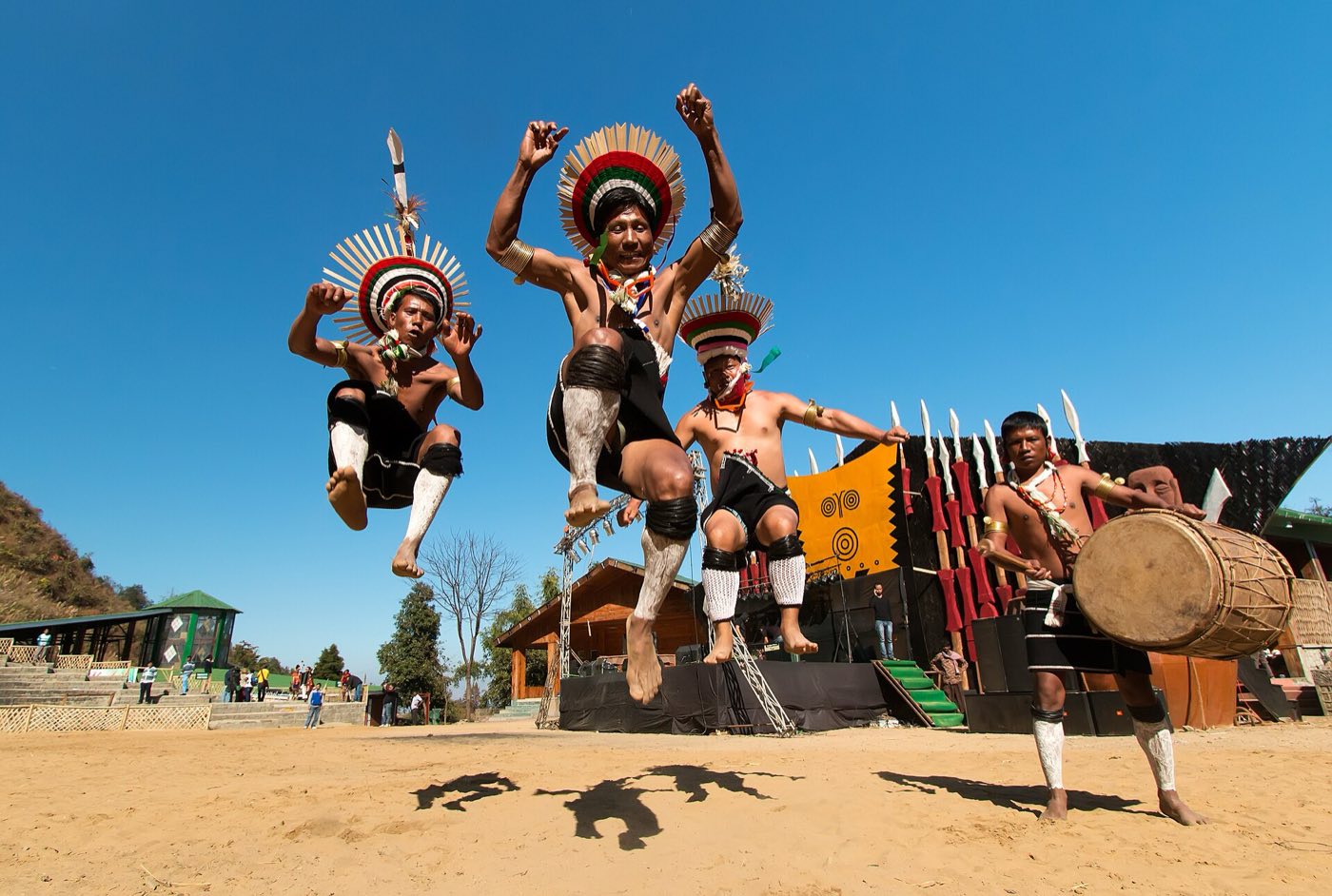
- Dances and songs. Groups perform war dances, harvest songs and folk games in the main arena, in full traditional dress.
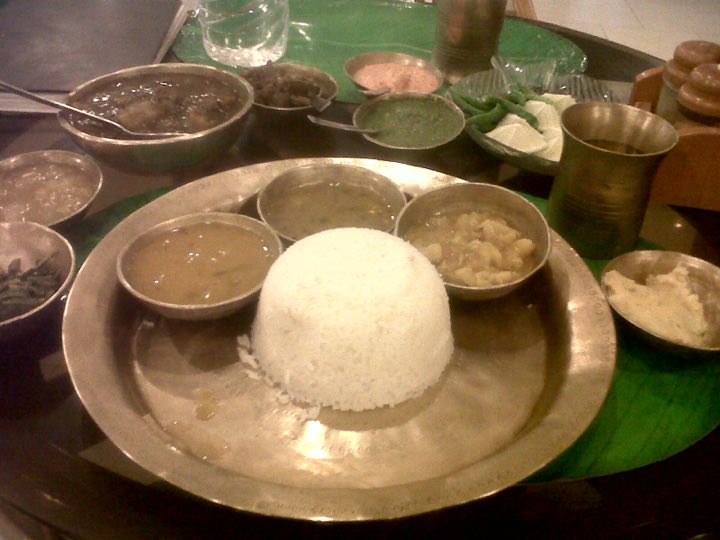
- Food. Smoked pork, bamboo shoot, axone, sticky rice and rice beer. Bring an appetite.
- Music at night. The festival is known for its rock music contest and evening concerts, and Kohima holds a night market during the festival.
- Competitions. In past years there has been a king chilli eating contest, plus traditional sports.
Every tribe brings its own colours. Ten days is barely enough to see them all.
Planning your trip
- Book early. Hotels and homestays in Kohima fill up months ahead. Homestays in nearby villages such as Kigwema are a good option and are close to Kisama.
- Get your permit. Indian visitors from outside Nagaland need an Inner Line Permit (ILP). Apply online before you travel. Foreign visitors should check the latest registration rules.
- Getting there. Fly or take a train to Dimapur, then drive about 3 hours to Kohima. Shared taxis and buses run the route.
- Pack warm. December nights in Kohima are cold. Bring layers and good walking shoes.
- Pace yourself. The first few days and the weekends are the busiest. Mid-festival weekdays are calmer.
Be a good guest
Many performers are happy to be photographed, but always ask first, especially for close-ups of people and children. Some objects in the morungs have deep cultural meaning, so do not touch or wear things without permission. And if someone offers you food, try it. That is how you make friends at Hornbill.