Ask anyone from the Northeast about chilli and you will get a story. Maybe it is about a grandmother who could eat a whole one raw. Maybe it is about the first time a friend from Delhi tried a pickle at a family dinner and had to leave the table. The bhut jolokia is part of everyday life here. For a few years, it was also the hottest chilli in the world.
A record-breaker from the backyard
In 2007, Guinness World Records named the bhut jolokia the world's hottest chilli. Tests measured it at more than one million Scoville Heat Units, the scale used to rate how hot a pepper is. That is hundreds of times hotter than a jalapeño. The record has since gone to newer, lab-bred varieties such as the Carolina Reaper. But the ghost pepper was the first chilli to cross the million mark, and it grew in the Northeast's kitchen gardens long before anyone measured it.
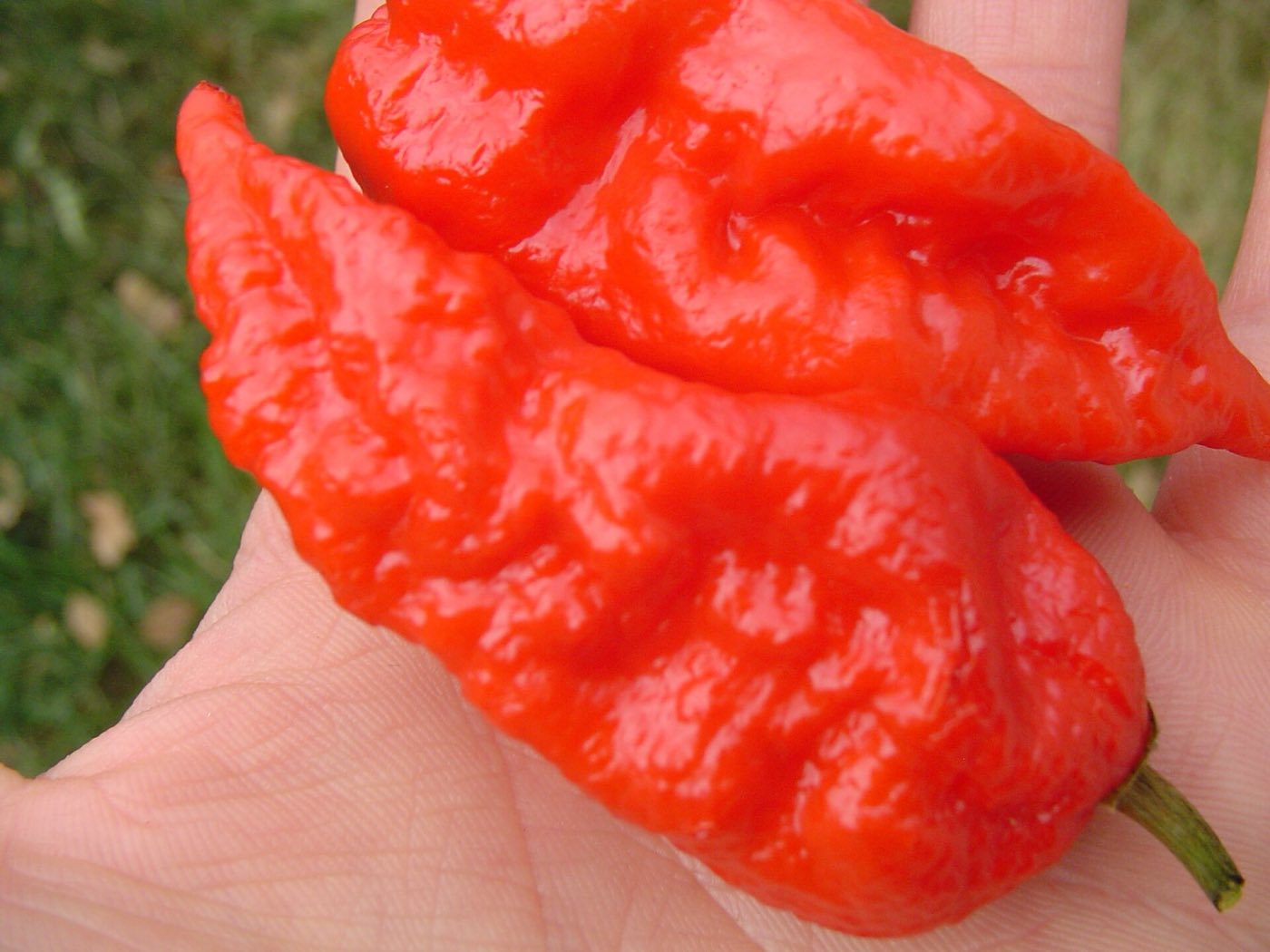
It goes by many names. In Assam it is bhut jolokia. In Nagaland it is raja mircha, the king chilli, or Naga mircha. In Manipur it is umorok. The fruit is small and wrinkled, usually red when ripe, with thin skin and a fruity smell that arrives a second before the heat does.
The heat does not hit at once. It builds, and then it stays.
How the Northeast eats it
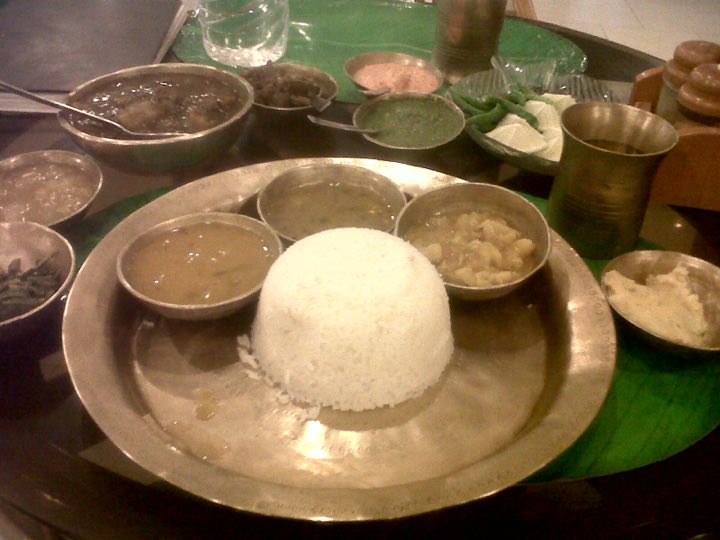
Outside the region, the ghost pepper is often treated as a dare. Here it is an ingredient. Cooks use it in small amounts, and they use it to bring out flavour, not to hurt.
- In Nagaland, it goes into smoked pork with bamboo shoot or axone, and into fiery chutneys pounded with tomato and ginger.
- In Manipur, umorok gives eromba its kick. Eromba is a mash of boiled vegetables and fermented fish.
- In Assam, it ends up in pickles, in fish curries, and sometimes simply rubbed on the side of the plate so each diner can choose how much to take.
Many families dry the chillies in the sun or smoke them over the kitchen fire. Smoking deepens the flavour and helps them keep through the year.
From farm to bottle
In 2008, the Naga mircha received a Geographical Indication tag. A GI tag links a product to the place it comes from, like Darjeeling tea. Since then, ghost pepper sauces, flakes and pickles from the region have shown up in city supermarkets and online stores, and farmers have shipped dried chillies abroad.
The pepper has even been tested outside the kitchen. India's defence research agency has worked on chilli-based grenades and sprays as a non-lethal tool, using the pepper's heat as an irritant.
If you want to try it
Start small. A scrape of pickle on the side of your rice is enough for a first try. Keep curd, rice or milk nearby, because water does very little. Wash your hands after touching a fresh chilli, and do not touch your eyes. Most of all, eat it the way people here do: with good food around it. The bhut jolokia is not meant to be a stunt. It is meant to make a meal taste of home.